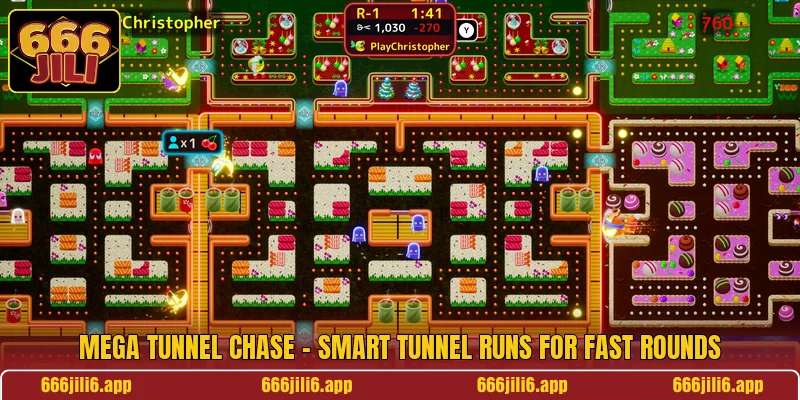
Mega Tunnel Chase gives players a fast tunnel race where movement and timing matter in every round. The game suits members who like quick sessions, clear screens, and simple choices. This article is written for players at 666jili, helping them understand rules, rooms, and play goals.
How Mega Tunnel Chase structures a tunnel racing session
Mega Tunnel Chase uses a tunnel track where every path can change the round outcome. Players move through lanes, watch obstacles, and aim for clean passages before the finish. The screen shows speed, route cues, and round progress in a direct layout.
A normal round begins with a room choice, then the tunnel opens with moving signs. At 666jili, members can read lobby details before selecting a table or room. This setup helps players match speed level, entry size, and session length.
The main appeal comes from short turns that keep the game active without heavy rules. Mega Tunnel Chase rewards careful route choice because weak timing can close good lanes. Players should treat each run as a clear challenge, not random tapping.
Basic rules and route options for steady sessions
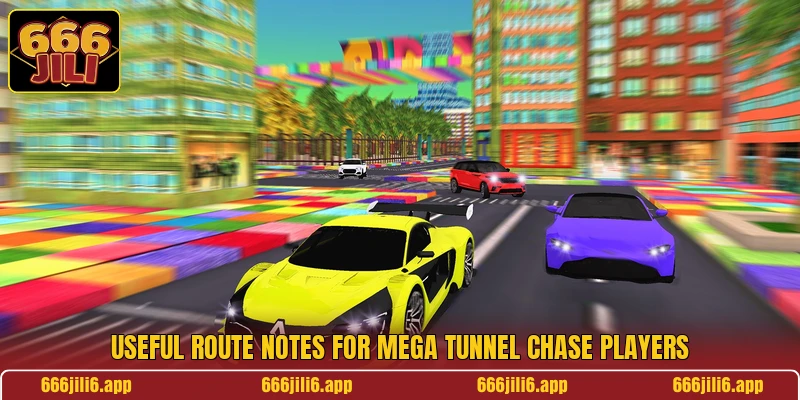
Mega Tunnel Chase is easier to follow when players understand tunnels, lanes, and gates. Each rule supports quick decisions, so members can focus on timing instead of guessing.
Core Mega Tunnel Chase controls
The control set centers on direction, speed, and lane movement during active runs. Players may shift left, shift right, slow down, or boost through spaces. Each command needs purpose because late input can miss safe gaps.
Some rooms display a short guide before the first paid round begins. Mega Tunnel Chase feels smoother when players test response speed in lower rooms first. A few sample runs show how fast the tunnel reacts to each touch.
Controls work best when members avoid constant tapping during narrow sections. Smooth movement keeps the racer near center until a clear lane appears. Fast buttons help only when the tunnel gives enough recovery space.
Route signs before each turn
Route signs appear before bends, blockers, or lane splits inside the tunnel. Players should read these signs early because late changes force poor movement. A bright arrow, gate mark, or hazard icon warns about the next section.
Good route reading starts with the nearest sign, then checks the lane behind it. This method stops players chasing a path that closes after one turn. It also helps members choose the safer side during crowded tunnel parts.
A strong route is not always the fastest visible option on screen. Mega Tunnel Chase can place rewards near risky gaps, but clear lanes protect the run. Players who study signs often reach finish gates with fewer broken moves.
Boost timing throughout straight paths
Boosts are useful on straight paths because the racer has more room ahead. Players should use speed only when the next section looks open and stable. A boost near a bend can push the racer into a blocked lane.
Straight paths can hide sudden gates that require quick reactions. Members should watch the tunnel end, not only the current lane. This wider view gives extra time when the path changes suddenly.
Boost use should match room speed and the visible obstacle pattern. Lower rooms allow more correction after a rushed move, while faster rooms punish delay. Players can build timing by saving boosts for clean center lanes.
View more: Pixel Sky Escape – Fresh Sky Arcade Play For PH Players
Finish checkpoints and result screens
Finish gates close the active run and show whether route choice worked. Mega Tunnel Chase often makes the final section feel tighter than the start. Players should slow reactions slightly near the end to avoid late mistakes.
The result screen helps members review round flow without complex records. It may show score, reward details, completed route, or missed chances. These details help when choosing whether to repeat the same room.
Players should compare several results instead of judging one run alone. A single finish can look lucky, while repeated clean paths show understanding. This habit helps members find rooms matching their current control skill.
Playing rooms and round formats for careful players
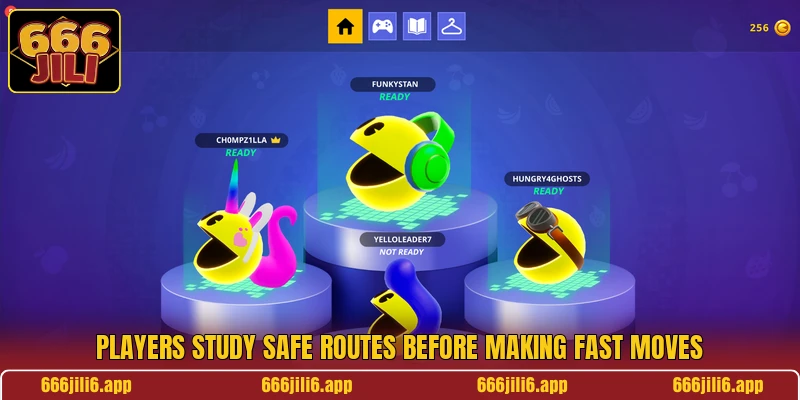
Mega Tunnel Chase rooms can differ by speed, entry size, and reward pace. Choosing the right room helps players keep each round readable and useful.
Entry rooms for new players
Entry rooms are built for players who want slower movement and clearer tunnel patterns. The entry cost may start from small PHP amounts, while demo rounds may cost nothing. Members can use these rooms to learn gates, turns, and screen timing.
The pace in entry rooms gives players more time to correct weak moves. This makes each round easier to review after the result screen appears. A slower tunnel also helps members notice how signs link with lanes.
Entry rooms should not be treated as boring or less important. They are useful when players return after a break or learn a new device. A clean basic run can teach more than a rushed higher room.
Mid level rooms for practice
Mid level rooms add faster patterns while keeping the screen readable. Players may see higher PHP entries, stronger route rewards, and more frequent obstacles. The goal is to practice quicker decisions without harsh speed.
Members should check how often the tunnel changes direction in these rooms. Some mid rooms focus on bends, while others test boost timing. Picking the right style makes practice feel focused and useful.
A good mid level session has balanced pressure and time for correction. Players should leave when every run feels unreadable from the first turn. Moving down for practice can protect learning and improve later runs.
Higher rooms for sharper runs
Higher rooms are made for players who understand controls and visual signs. They can include larger USD or PHP entries, faster tunnels, and tighter finish sections. These rooms suit members who want stronger pace and less waiting.
Players entering higher rooms should know common route patterns from easier levels. Fast lanes leave little time for confused movement after wrong side choices. Careful room selection matters because high speed can turn small errors into failed runs.
Higher rooms can feel exciting when the tunnel stays readable and fair. The best approach is choosing a room where movement follows clear signs. Players who match room speed with skill can enjoy sharper, cleaner rounds.
View more Category: Arcade
Conclusion
Mega Tunnel Chase stands out through quick tunnel runs, clear route signs, and short rounds focused on movement. Players can use 666jili to enter suitable rooms, test timing, and understand results before moving higher. Download the app, start with a readable room, and may every clean gate bring better luck.