Laser Jump City gives players a fast arcade setting where every jump needs clean timing and clear room choice. The game suits members who like short rounds, direct rules, and simple action on 666jili. This guide is written for players seeking plain details, better route reading, direct on-screen cues, and a clear purpose before starting each short session.
How Laser Jump City creates fast arcade pressure
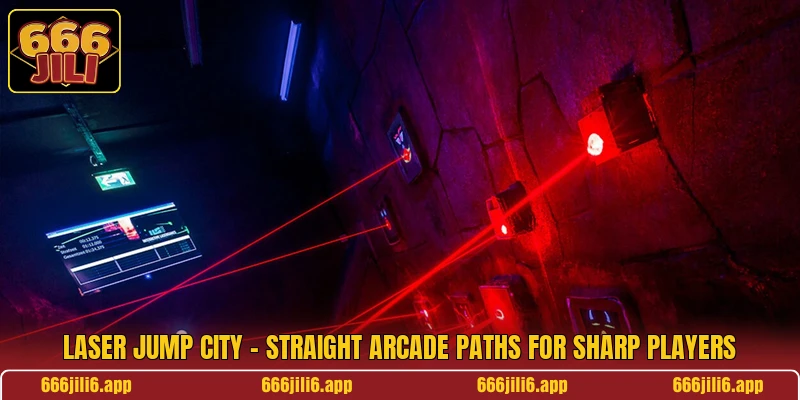
Laser Jump City uses a city track filled with beams, gaps, and timed platforms. Each round asks players to move through lanes without touching active laser lines on screen. The idea stays simple, yet the screen changes quickly after every jump.
Laser Jump City usually starts with a small stake, then the round loads a fresh path. Players watch the first beam cycle before choosing when to press forward. On 666jili, this style feels close to arcade betting because turns stay short.
Each jump opens a new space, but missed timing can stop the run immediately. Members should read the screen from left to right before making inputs. Clean timing gives Laser Jump City its main rhythm and pressure.

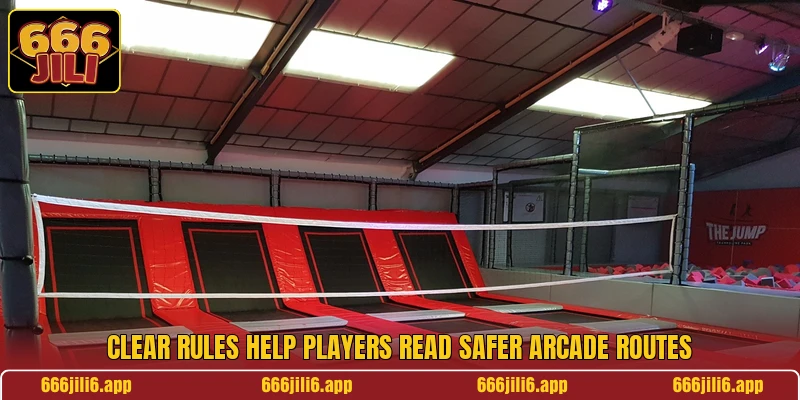
Rules that guide each fast arcade round
Laser Jump City works around movement, timing, and room changes instead of complex card rules. Players only need to understand how rounds start, score, shift, and close.
Start with clean movement
The first rule is to move only when the open lane appears clearly. A rushed tap can meet a beam before the character lands safely. Players should wait for one full cycle during the opening seconds.
Movement usually follows short steps rather than long automatic travel. This keeps each choice visible and easy to judge. Members can use that pace to compare gaps between nearby beams.
Some rounds add platforms that blink before becoming unsafe. A blinking tile should be treated as a warning sign. Waiting half a beat can create a safer entry point.
Read lanes before jumping
Lanes change because laser lines often move in fixed repeating cycles. Players who read those cycles can see which gap opens next. This makes each jump feel planned rather than random.
A lane with two crossing beams needs more patience than a single wall. The better route is often the one with fewer sudden switches. Players should avoid corners where beams meet at the same moment.
The screen may show coins, markers, or bright arrows near certain paths. These signs often point toward possible scoring zones. Still, the lane must be safe before any marker matters.
Laser Jump City scoring path
Scores usually rise when players pass more rooms without hitting a beam. A longer run can open higher round values or better target spaces. The scoring path rewards steady progress more than blind speed.
Some rooms include bonus tiles near the center of the lane. These tiles may require one extra jump at the right time. Players should take them only when the escape route remains open.
A failed move ends the active attempt and locks the current result. That is why each score should come from readable movement. Members should treat every room as a separate small decision.
View more: Dark Pixel Chase – Pixel Chase Made Clear For Players
Room rhythm and payout signs
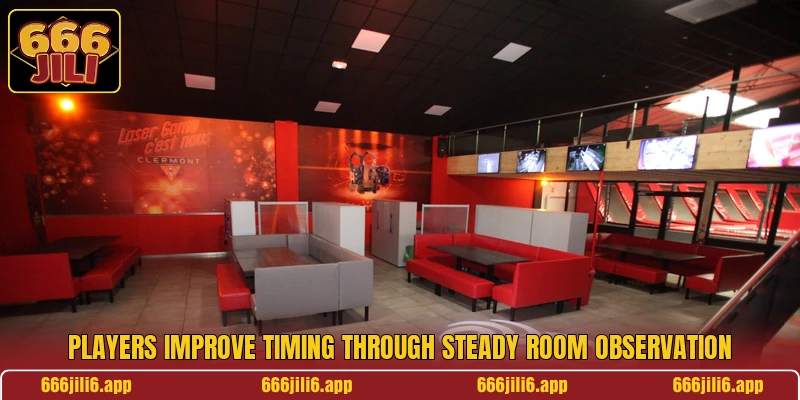
Rooms can differ in speed, beam count, and platform spacing. A slow room gives players more time to study safe gaps. A fast room demands earlier attention before the first step.
Payout signs may appear near exits, bonus doors, or marked lanes. They help players see which paths carry more value. The safest marked path is usually better than the brightest risky one.
Players should also note how long each room stays stable. Some rooms change after several seconds and become tighter. A clean exit matters more than chasing every side marker.
Practical ways players manage rooms and timing
Laser Jump City becomes easier to read when players separate movement from room selection. Each round can be handled through careful entry, measured timing, and simple pattern tracking.
Choose rooms with steady flow
A steady room shows beam cycles that repeat at a clear pace. Players can enter after seeing the same gap appear twice. This helps reduce rushed inputs during early movement.
Rooms with stacked beams may look valuable, but they can close quickly. Members should compare the exit before choosing a central path. A visible exit gives better control during the final seconds.
Some rooms place rewards near side lanes with narrow timing. These spaces suit players who already understand the current cycle. Newer players may prefer the wider route first.
Use timing on moving bars
Moving bars create the main challenge because they punish late decisions. Players should press only after the bar begins leaving the lane. This gives Laser Jump City a clear timing window.
A second bar often follows the first with a small delay. Watching that delay helps players avoid landing into danger. The safest jump happens when both bars create enough space.
Timing also depends on the character landing point after each move. A jump that lands too close to a wall limits the next choice. Players should aim for middle tiles whenever possible.
Track patterns throughout short rounds
Short rounds make pattern notes easier because the same hazards return quickly. Players can remember which rooms close early and which stay open. This turns repeated play into better route awareness.
If a room causes frequent missed jumps, players should choose another path. A different lane can show cleaner exits and clearer beam timing. Laser Jump City feels smoother when weak routes are skipped.
Members can also compare how bonus tiles appear across several attempts. A repeated bonus spot may become easier after its cycle is learned. Clear pattern tracking keeps decisions simple and useful.
View more Category: Arcade
Conclusion
Laser Jump City is a quick arcade game built around clean jumps, readable rooms, and timed laser movement. Players can use 666jili to register, load the app, and enter the game with a clear focus. Start with simple rooms, download the game when ready, and may every jump bring good luck.